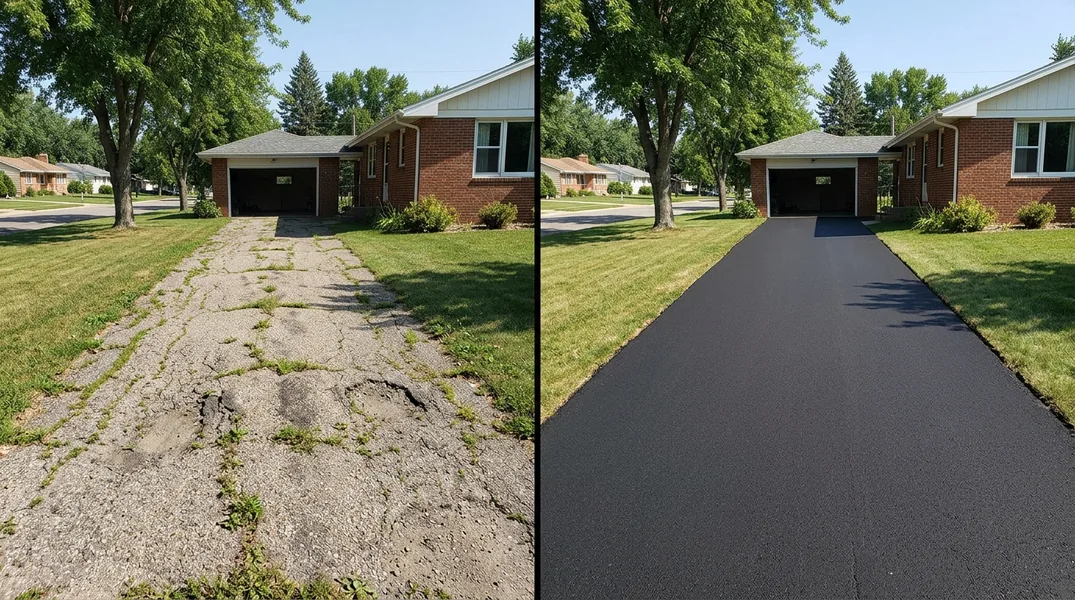
Understanding Asphalt vs. Tar and Chip Driveways
When homeowners in St. Cloud face the decision of installing a new driveway, two popular options emerge: traditional asphalt and tar and chip surfaces. While both serve the same basic purpose, they differ significantly in composition, performance, and long-term value. Understanding these differences is essential before committing to a major home improvement investment.
Asphalt, also known as blacktop, is a mixture of bitumen (a petroleum product) and aggregate materials like gravel and sand. This combination creates a smooth, durable surface that has been the standard for residential driveways for decades. Tar and chip, by contrast, is a more rustic alternative that combines a tar-based binder with larger stone chips, creating a textured appearance similar to a country road. While tar and chip may initially appeal to homeowners seeking a charming aesthetic, the performance characteristics of each material tell a more complex story when it comes to durability and maintenance in St. Cloud's climate.
Asphalt Driveway Lifespan and Durability
One of the most critical factors homeowners consider is how long their driveway investment will last. The asphalt driveway lifespan typically ranges from 15 to 20 years with proper maintenance, though some well-maintained driveways can last even longer. This longevity makes asphalt a reliable choice for most homeowners in St. Cloud, where winter conditions and temperature fluctuations can be harsh on exterior surfaces.
Tar and chip driveways, unfortunately, have a much shorter lifespan, typically lasting only 5 to 7 years before requiring significant maintenance or replacement. The stone chips can become loose and scatter, particularly in areas with heavy traffic or freeze-thaw cycles common to Minnesota winters. This means that while tar and chip may seem like a budget-friendly option upfront, homeowners often find themselves replacing or resurfacing the driveway much sooner than they would with asphalt. When calculating the true cost of ownership over a decade or more, asphalt proves to be the more economical choice for most residential properties.
Climate Considerations for St. Cloud Homeowners
St. Cloud experiences significant seasonal variations, with cold, snowy winters and warm summers. These temperature swings can be particularly challenging for driveway materials. Asphalt handles these conditions reasonably well because it expands and contracts in a predictable manner. The dark color also helps the surface absorb heat in winter, which can aid in natural snow and ice melting. However, the freeze-thaw cycle can eventually cause cracks and potholes, which is why regular maintenance and timely Pothole Repair & Asphalt Patching are important.
Tar and chip surfaces struggle more noticeably in St. Cloud's climate. The tar binder can become brittle in extreme cold and overly soft in summer heat, causing the stone chips to dislodge more easily. Road salt used during winter months can also accelerate deterioration of tar and chip surfaces. Additionally, the loose stone chips can be kicked up by plows or heavy vehicles, leaving bare spots that expose the tar underneath to UV damage and moisture infiltration. For homeowners seeking a durable solution that will withstand Minnesota's demanding weather patterns, asphalt is the clear winner.
Maintenance Requirements and Long-Term Care
Maintaining your driveway is essential regardless of which material you choose, but the type and frequency of maintenance differs significantly between asphalt and tar and chip. Asphalt requires regular seal coating every 2 to 3 years to protect the surface from UV rays, water penetration, and oxidation. Cracks should be filled promptly, and any potholes need immediate attention through Driveway Repair services to prevent them from expanding. This proactive approach keeps your driveway in excellent condition and extends its lifespan significantly.
Tar and chip driveways demand more frequent and intensive maintenance. Loose stones need to be raked back into place regularly, and the tar binder often requires reapplication every couple of years. Because the surface is more porous and less stable, water can seep through more easily, leading to base layer deterioration. Many homeowners discover that the ongoing maintenance costs for tar and chip surfaces actually exceed the savings they initially thought they were making by choosing the cheaper option. Over time, the cumulative cost of repairs and maintenance can make tar and chip a poor financial decision compared to investing in quality asphalt from the start.
Asphalt vs. Concrete Driveway: Where Does Asphalt Fit?
Homeowners often wonder how asphalt compares not just to tar and chip, but also to concrete. The asphalt vs concrete driveway debate is common, and each material has distinct advantages. Concrete typically lasts 25 to 30 years and requires less frequent maintenance than asphalt. However, concrete is significantly more expensive to install, often costing two to three times more than asphalt. Concrete can also crack in freeze-thaw climates like St. Cloud, and once it cracks, repair options are limited.
Asphalt offers a middle ground: it costs less than concrete, performs well in cold climates, and can be repaired more easily when damage occurs. If your concrete driveway is aging or damaged, you might even consider an asphalt over concrete driveway solution, which allows you to place asphalt on top of an existing concrete base. This approach can breathe new life into an old driveway without the expense of complete removal and replacement. For most St. Cloud homeowners, asphalt remains the most practical and cost-effective choice when balancing initial investment, longevity, and maintenance requirements.
Making Your Decision: Cost and Value in St. Cloud
When evaluating driveway options, the initial pricing is just one piece of the puzzle. While tar and chip may appear cheaper upfront, the total cost of ownership over 15 to 20 years tells a different story. A typical asphalt driveway installation might cost between 3 and 6 dollars per square foot, depending on size, site conditions, and local market rates. Tar and chip typically costs 1 to 2 dollars per square foot initially, but the frequent maintenance, repairs, and eventual replacement can easily double or triple that investment over time.
St. Cloud Asphalt Paving specializes in helping homeowners understand these long-term value propositions. Whether you are installing a new driveway, considering an Asphalt Resurfacing & Overlay, or exploring repair options, our team can provide guidance tailored to your specific situation and budget. We recommend scheduling a free estimate to discuss your options with a professional. You can also reach us at (320) 281-0372 to answer any questions about driveway materials, installation timelines, or maintenance strategies. Investing in quality asphalt today means enjoying a reliable, attractive driveway for years to come without the constant worry and expense of premature repairs.
Looking for a professional asphalt paving contractor in St. Cloud? St. Cloud Asphalt Paving responds fast for all your asphalt paving needs.
Get a Free Quote