Understanding Clay Till Ground in Central Minnesota
If you own property in Sartell or Sauk Rapids, you've likely encountered clay till soil. This dense, compacted mixture of clay, silt, sand, and rock is the geological foundation of much of central Minnesota. While clay till provides a stable base for building, it presents unique challenges when it comes to driveway installation and long-term maintenance.
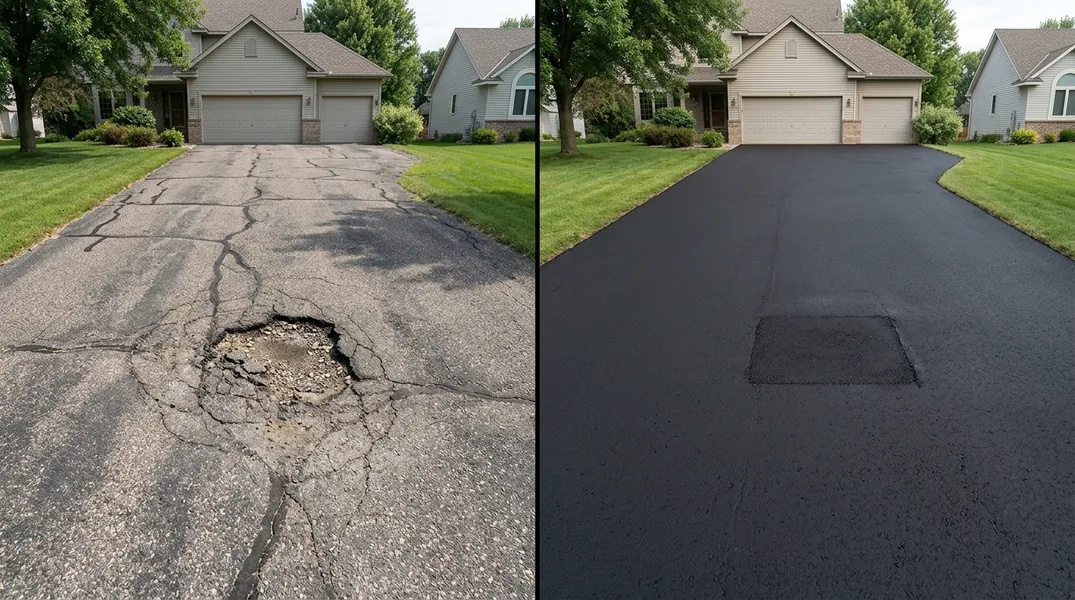
Clay till expands and contracts significantly with seasonal temperature changes and moisture fluctuations. During spring thaw and heavy rains, water saturates the clay, causing it to swell. In winter, frost heave can push the soil upward, creating uneven surfaces. This natural movement makes clay till particularly demanding for driveway surfaces. A poorly constructed driveway on clay till ground can develop cracks, potholes, and surface degradation within just a few years. This is why choosing the right paving material and installation method is critical for homeowners in our region.
Why Asphalt Works Well on Clay Till Soil
When it comes to Asphalt Driveway Paving & Installation, the material itself offers several advantages over clay till. Asphalt is flexible and can accommodate minor ground movement without cracking as readily as concrete. The slightly yielding nature of asphalt allows it to absorb the expansion and contraction cycles that clay till experiences throughout the year. Additionally, asphalt provides excellent drainage when properly installed with the correct slope, which helps prevent water from pooling and saturating the clay beneath.
Professional asphalt installation on clay till requires a proper foundation strategy. A quality base layer, typically composed of compacted stone or gravel, sits between the asphalt and the native clay till. This base distributes vehicle weight evenly and provides a buffer against ground movement. The asphalt layer itself, when installed at the correct thickness and compaction, creates a durable wearing surface that can last 15 to 20 years with proper maintenance. For homeowners in St. Cloud and surrounding areas, this longevity makes asphalt a practical investment.
Recycled Asphalt Driveway and Asphalt Millings: Budget-Friendly Options
A recycled asphalt driveway has become increasingly popular among homeowners seeking cost-effective alternatives to new asphalt. Recycled asphalt, also called reclaimed asphalt pavement (RAP), consists of asphalt that has been removed from older roads and parking lots, then crushed and screened for reuse. When properly compacted, recycled asphalt performs remarkably well on clay till ground because it binds together over time, especially in warmer months, creating a solid surface that can handle vehicle traffic.
Asphalt millings, a subset of recycled asphalt materials, are the small fragments and dust left over from the milling process used during road resurfacing. An asphalt millings driveway offers an economical solution for rural properties, seasonal driveways, or temporary access roads. The millings compact under vehicle weight and the sun's heat, gradually bonding into a semi-permanent surface. While not as durable as newly laid hot asphalt, a crushed asphalt driveway made from quality millings can provide 5 to 10 years of service with occasional raking and re-compacting. For many property owners in Sartell, this represents an attractive middle ground between gravel and full asphalt paving.
Asphalt Millings Driveway Cost in Sartell and Sauk Rapids: What to Budget
Understanding millings driveway cost is essential for budgeting your driveway project. Recycled asphalt millings typically cost between $0.50 and $1.50 per square foot, depending on material quality, delivery distance, and local market conditions. For a standard 600-square-foot residential driveway, material costs alone might range from $300 to $900. Installation and compaction services add to this expense, though the total project cost remains significantly lower than pouring new asphalt, which can cost $3 to $5 per square foot or more.
The crushed asphalt driveway cost varies based on several factors specific to your property. Soil preparation, grading, and base layer requirements depend on your existing clay till conditions. If significant excavation or drainage work is needed, costs will increase. However, because recycled asphalt materials are abundant and locally available in central Minnesota, transportation costs remain reasonable. St. Cloud Asphalt Paving offers transparent free estimate consultations where we assess your specific site conditions and provide accurate pricing tailored to your property. This allows you to compare options and make an informed decision about whether recycled asphalt or new asphalt best suits your budget and needs.
Maintenance and Longevity of Recycled Asphalt on Clay Till
A recycled asphalt driveway requires more active maintenance than newly installed hot asphalt, but the payoff in cost savings often justifies the effort. During the first season after installation, the millings compact gradually. Occasional light raking or pushing loose material back into place helps distribute the surface evenly. In subsequent years, annual spring maintenance (raking and adding fresh millings to worn areas) extends the driveway's life significantly. The binding properties of asphalt millings improve over time, especially during hot summer months, so your driveway becomes progressively more stable.
When your recycled asphalt driveway eventually shows signs of significant wear, you have options. Some homeowners choose to add another layer of fresh millings to restore the surface. Others decide to upgrade to full Asphalt Resurfacing & Overlay services, which can extend the life of your investment for many more years. If potholes or soft spots develop, professional Pothole Repair & Asphalt Patching services can address localized damage without requiring complete replacement. This flexibility makes recycled asphalt an adaptable choice for property owners managing long-term driveway needs on challenging clay till soil.
Choosing the Right Solution for Your Property Near Me: New vs. Recycled Asphalt
Deciding between a new asphalt driveway and a recycled asphalt option depends on your priorities, timeline, and budget. If you need a durable, low-maintenance surface that will last 15 to 20 years with minimal intervention, new asphalt is the superior choice. New asphalt is installed hot and compacted to precise specifications, creating a dense, weather-resistant surface from day one. It requires only periodic seal coating and crack filling to maintain its integrity.
If you're working with a tighter budget or own a secondary property, a recycled asphalt or asphalt millings driveway delivers excellent value. The initial cost savings are substantial, and with reasonable maintenance, you'll enjoy years of reliable service. The material's environmental benefits also appeal to many homeowners; recycling asphalt reduces landfill waste and conserves natural resources. Whatever you choose, St. Cloud Asphalt Paving is ready to help. Our team has extensive experience installing both new and recycled asphalt driveways on clay till ground throughout Sartell, Sauk Rapids, and the greater St. Cloud region. Contact us at (320) 281-0372 or request a free estimate today to discuss which solution is best for your property.
Looking for a professional asphalt paving contractor in St. Cloud? St. Cloud Asphalt Paving responds fast for all your asphalt paving needs.
Get a Free Quote