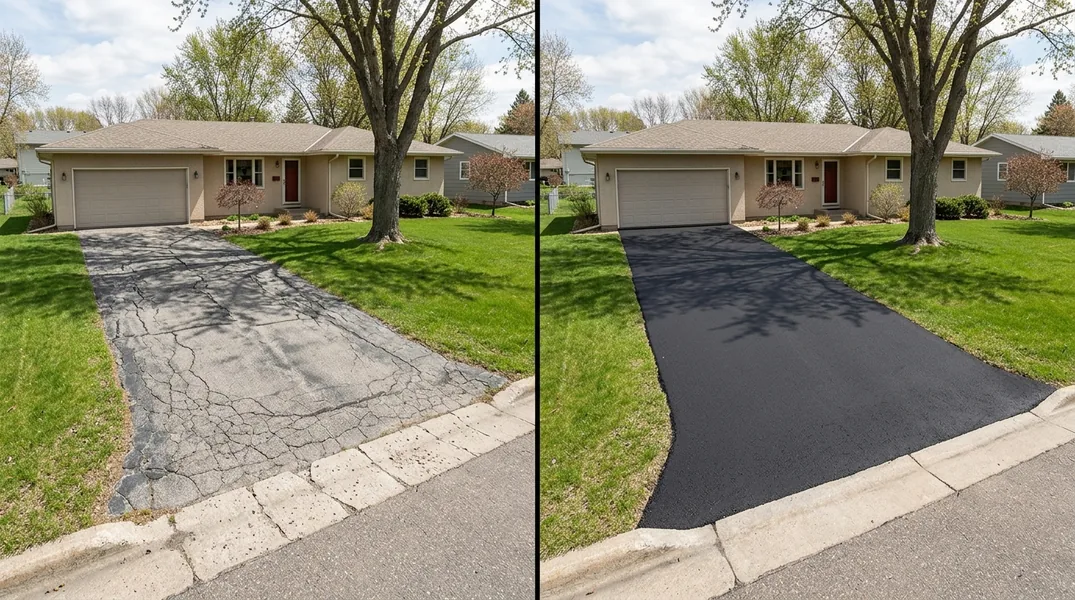
Understanding Asphalt Cracks: When They Signal Trouble
Your driveway is one of the hardest-working surfaces on your property. Every day, it endures weight from vehicles, temperature swings, moisture, and the freeze-thaw cycles that St. Cloud homeowners know all too well. Over time, cracks inevitably appear, and that's when many property owners face a critical question: should I repair this, or is it time for a full replacement?
Not all cracks are created equal. A thin hairline crack running across the surface differs dramatically from a wide, jagged break or a network of interconnected fissures. Understanding the difference between cosmetic surface damage and structural deterioration is the first step in making the right decision for your driveway's future. The good news is that Driveway Repair can address many issues before they become catastrophic, but knowing when to act is essential.
How Long for Asphalt to Cure: The Critical First Weeks
If you've recently invested in Asphalt Driveway Paving & Installation, understanding the curing timeline is crucial. Many homeowners are surprised to learn that new asphalt doesn't reach full strength immediately. The curing process is gradual and weather-dependent, which means patience during those first few weeks pays dividends in durability.
Typically, new asphalt requires 24 to 48 hours before it's safe for light foot traffic. However, the real question most people ask is: how long before you can drive on new asphalt? The answer is usually 7 to 10 days for regular vehicle traffic, though some contractors recommend waiting up to two weeks for heavier loads or if temperatures are cool. During this period, the asphalt continues to harden as the oils and binders set. Driving on it too early can cause tire marks, soft spots, and permanent damage that compromises the entire installation.
Temperature matters significantly. In warmer conditions, asphalt cures faster because the materials bond more efficiently. In cooler St. Cloud weather, especially during spring and fall, curing takes longer. This is why timing your paving project with the season can affect both the curing window and the final quality of your driveway.
New Asphalt Driveway Care: The First Year Matters Most
The decisions you make in the first year after installation set the tone for your driveway's longevity. New asphalt driveway care isn't complicated, but it does require attention. During the curing period, avoid parking heavy vehicles in the same spot repeatedly, and try not to accelerate or brake suddenly on the fresh surface. These actions can create depressions and soft areas that become problem zones later.
Once your driveway has fully cured (typically after two weeks), you can resume normal use. However, the care doesn't stop there. Seal coating is one of the most important maintenance steps you can take, and the timing of your first seal coat makes a real difference. Most professionals recommend waiting 60 to 90 days after installation before applying a seal coat. This waiting period allows the asphalt to continue curing and any residual oils to fully evaporate. Applying seal coat too early can trap moisture and create adhesion problems.
Beyond seal coating, keep your driveway clean and dry. Remove standing water, debris, and leaves promptly. These materials trap moisture against the asphalt, accelerating deterioration. In winter, use sand or kitty litter for traction instead of rock salt whenever possible, as salt accelerates the breakdown of asphalt and the concrete base beneath it.
How Often to Seal Driveway: A Maintenance Schedule That Works
Seal coating is your driveway's best friend, but many homeowners aren't sure how often to seal driveway surfaces. The general rule of thumb is every two to three years, though factors like climate, traffic volume, and sun exposure can shift this timeline. In Minnesota's variable climate, where freeze-thaw cycles are common, many experts recommend the more conservative two-year schedule.
Think of seal coating as an investment that extends the life of your asphalt by five to ten years or more. The coating acts as a barrier against UV rays, water penetration, and chemical damage from road salt and vehicle fluids. Without regular seal coating, water seeps into small cracks and expands when it freezes, turning minor damage into major problems. This is why homeowners in St. Cloud who maintain a consistent seal coating schedule rarely face expensive repairs.
The best time to seal coat is in late spring or early fall, when temperatures are moderate and rain is less likely to interfere with the curing process. Avoid sealing during extreme heat or cold, as the coating won't cure properly. If you've had your driveway sealed before, watch for signs that it's time again: fading color, water no longer beading on the surface, and visible wear in high-traffic areas all signal that a new coat is due.
Repair vs. Replace: Making the Right Call
So when should you repair, and when should you replace? The answer depends on several factors: the extent of the damage, the age of the driveway, and the pricing for each option. As a general rule, if damage covers less than 30 percent of the driveway surface and the asphalt base is still structurally sound, repair is usually the right choice. Pothole Repair & Asphalt Patching or Asphalt Resurfacing & Overlay can extend the life of your driveway by five to ten years at a fraction of the cost of full replacement.
However, if your driveway is more than 15 to 20 years old, showing widespread cracking, has multiple large potholes, or is sinking in certain areas, replacement might be the more economical choice in the long run. A new driveway gives you a fresh start with a warranty and the peace of mind that comes with modern materials and installation techniques. If you're unsure which path is right for your specific situation, the best approach is to get a professional assessment.
The team at St. Cloud Asphalt Paving can evaluate your driveway's condition and provide honest recommendations based on what will serve you best. Contact us at (320) 281-0372 or request a free estimate to discuss your options. We serve the entire St. Cloud area and can help you understand the true condition of your asphalt.
Protecting Your Investment: Long-Term Driveway Strategy
Whether you choose to repair or replace, the key to protecting your investment is consistent maintenance. New asphalt driveway care, regular seal coating every two to three years, and prompt attention to cracks and potholes will keep your surface in excellent condition for decades. This proactive approach costs far less than waiting until major damage forces an emergency replacement.
Document your maintenance efforts by keeping records of seal coating dates and any repairs performed. This information is valuable if you ever sell your home, as it demonstrates responsible stewardship of the property. It also helps you stay on schedule and remember when your next seal coat is due. Set a phone reminder each spring to inspect your driveway for new cracks or areas of concern, and address them before they worsen.
The bottom line is this: reading the cracks in your driveway early, understanding how asphalt cures and how to care for it, and maintaining a consistent seal coating schedule will save you thousands of dollars in the long run. If you're facing cracks, potholes, or uncertain about your driveway's future, don't hesitate to reach out. St. Cloud Asphalt Paving is here to help you make the right decision. Call us today at (320) 281-0372 or visit our website to schedule your free estimate.
Looking for a professional asphalt paving contractor in St. Cloud? St. Cloud Asphalt Paving responds fast for all your asphalt paving needs.
Get a Free Quote